NEWS & ANNOUNCEMENTS
Digital Horizons Final Phase Concludes with Online TV Magazine Presentation
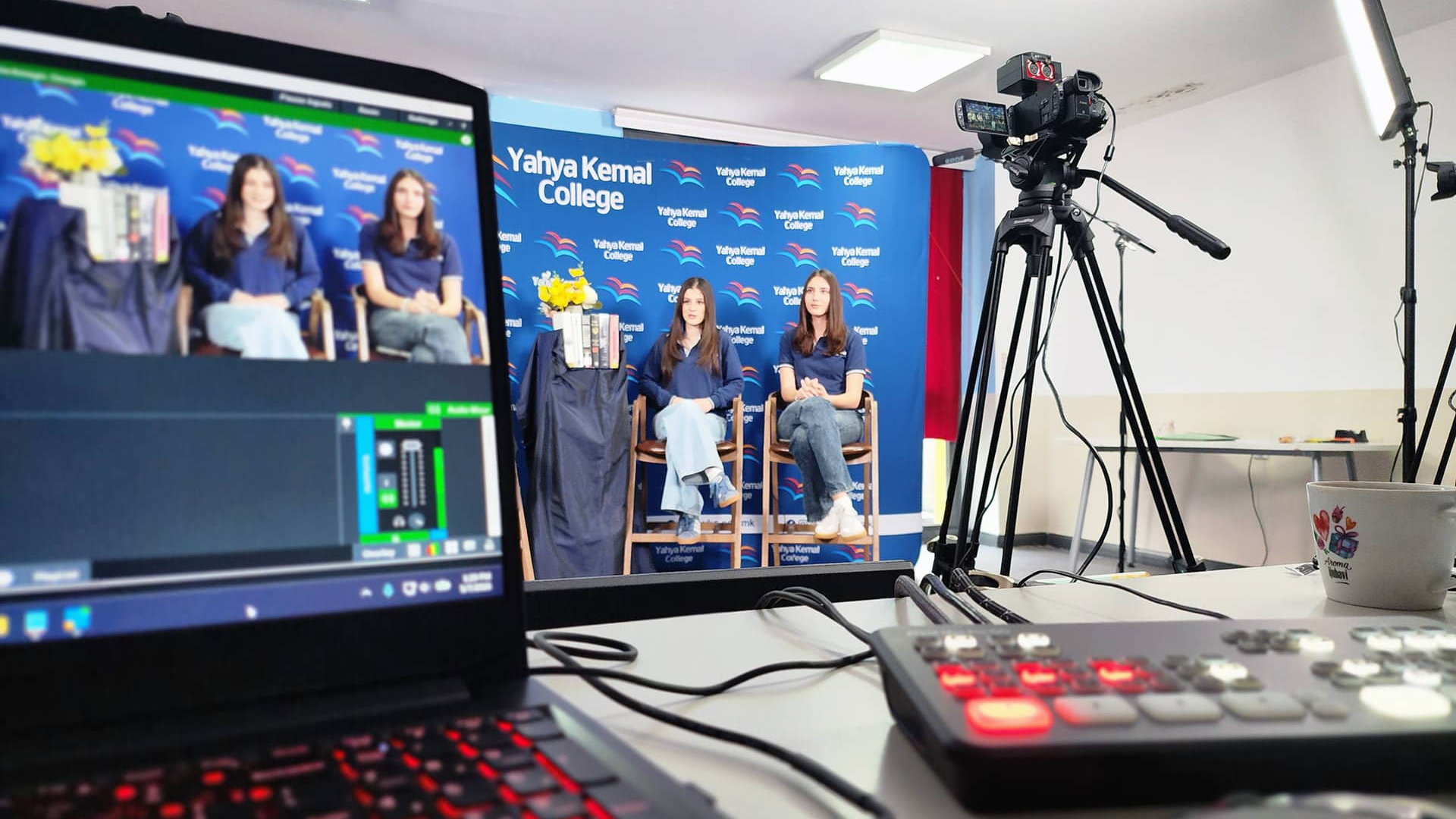
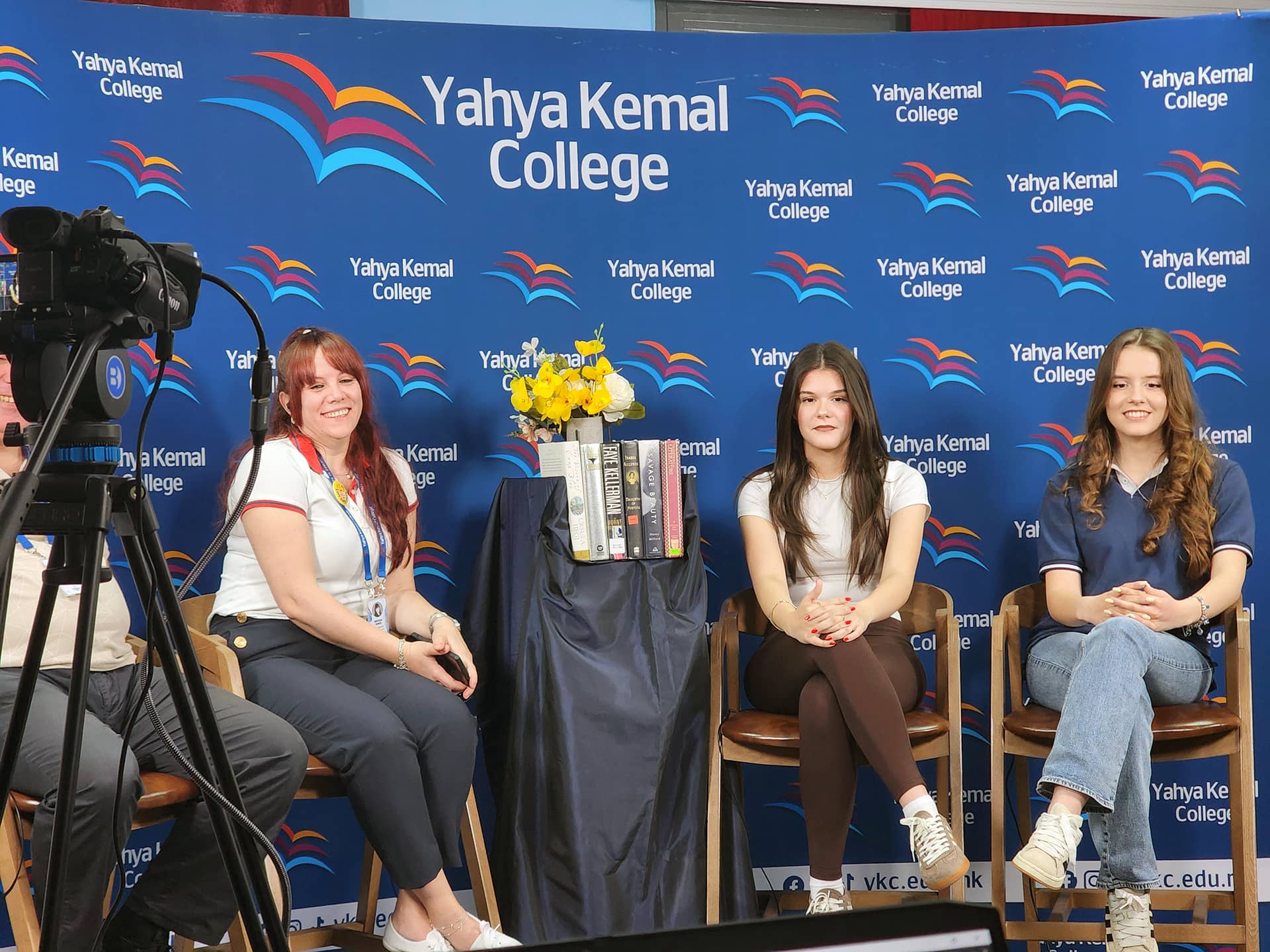
The Erasmus+ project “Digital Horizons: Empowering Youth Through Video Storytelling” successfully completed its final phase with an Online TV Magazine Presentation, bringing together the main activities, student productions and learning outcomes achieved throughout the project.
Implemented under the Erasmus+ KA210-SCH Small-scale Partnerships programme, the project connected 30th Secondary School “Bratya Miladinovi” from Sofia, Bulgaria, PSU Yahya Kemal from Skopje, North Macedonia, and Association MoCactus. The initiative focused on developing students’ digital, creative and media skills through practical video storytelling, filming, editing, post-production and multi-camera production activities.
A Project Built on International Cooperation
From the beginning, Digital Horizons was designed as a collaborative learning experience between schools, students, teachers and media professionals. The first project meeting in Sofia brought the partners together to plan responsibilities, communication strategies and future activities.
The cooperation continued through several practical training sessions, where students and teachers from Bulgaria and North Macedonia worked side by side. The project encouraged intercultural exchange, teamwork and a shared understanding of how digital media can be used in education.
First Training: Video Shooting in Sofia
One of the first major project activities was the video shooting training in Sofia, hosted by 30th Secondary School “Bratya Miladinovi” and delivered with the support of Association MoCactus.
During the training, students were introduced to professional video equipment and learned the basics of camera work. They explored different types of shots, camera angles, the rule of thirds, line of action, camera movement, sound recording, lighting and interview preparation.
For many students, this was their first experience with professional video equipment. They learned not only how to operate cameras, but also how to think visually, plan a scene and work as part of a production team.
What the Partner Students Shared
Students from 30th Secondary School “Bratya Miladinovi” reflected that the project helped them understand how much work happens behind the camera. They explained that filming is not only about recording an image, but also about choosing the right frame, managing sound, controlling light and coordinating with other team members.
Several students shared that after the training, they began to watch films, interviews and television programmes differently. They became more aware of camera positions, lighting, editing choices and the people working behind the scenes.
The partner students also emphasized that the project increased their confidence. They felt more capable of starting and completing a video project, from the first idea to the final edited version.
Second Training: Video Editing in Skopje
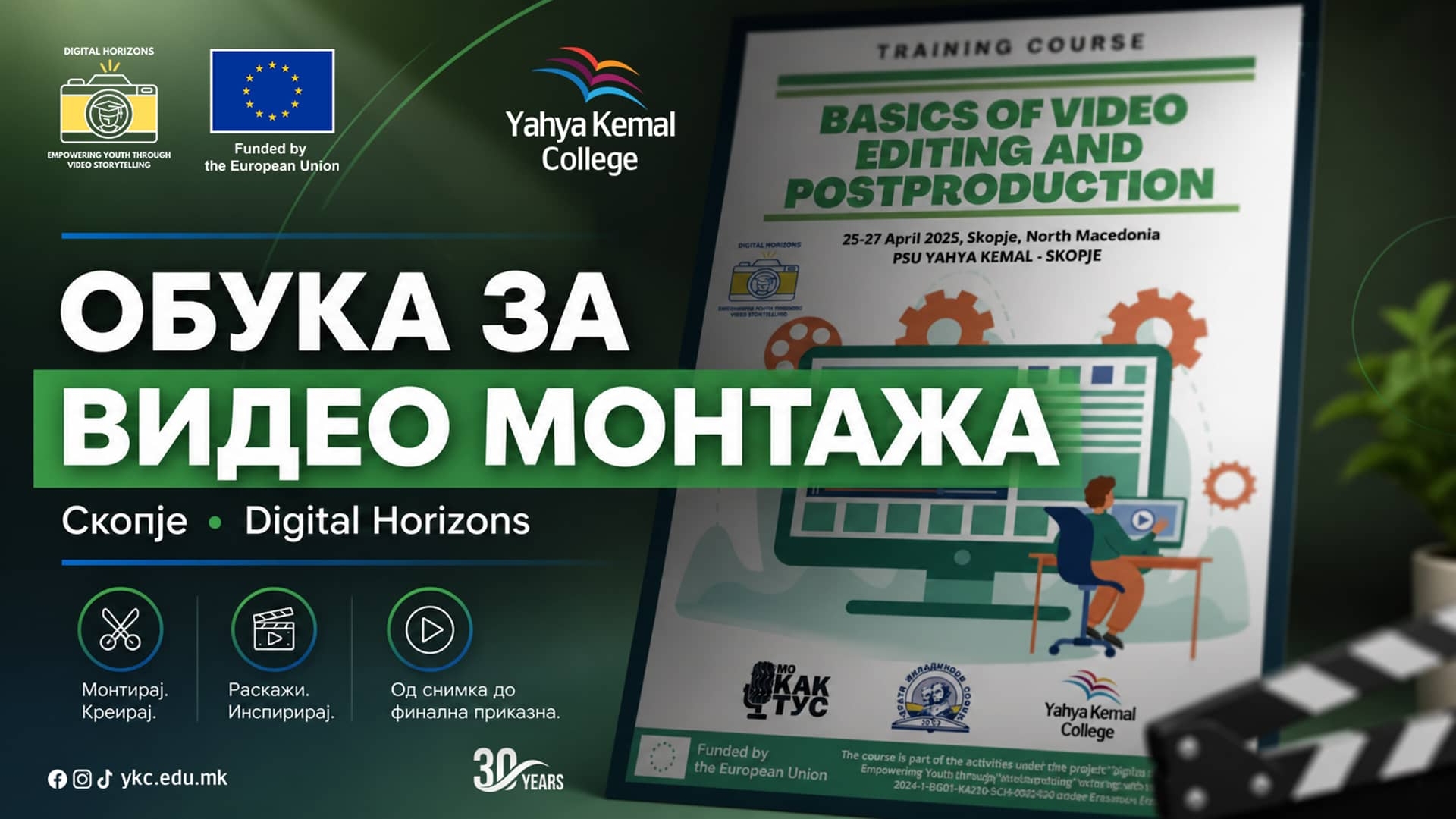
The second major training took place in Skopje, hosted by PSU Yahya Kemal. This part of the project focused on video editing and post-production.
Students learned how to transform raw footage into a complete video story. The training included organizing video materials, cutting and arranging scenes, adding transitions, sound, subtitles, graphics and visual effects. Participants also worked with DaVinci Resolve, where they gained practical experience in editing, colour correction, subtitles and multi-camera production.
At the end of the training, students presented their edited projects and received feedback for further improvement. This experience helped them understand that post-production is a creative and technical process that requires patience, attention to detail and clear storytelling.
What YKC Students Shared
Yahya Kemal students described hosting the second training in Skopje as both a privilege and a responsibility. They explained that being hosts and participants at the same time gave them a new perspective. They had to make sure that their guests felt comfortable while also taking part in the learning process.
Students also highlighted the value of working with peers from another country. They said that cooperation with students from Bulgaria allowed them to hear different ideas, compare creative approaches and learn new ways of solving production challenges.
For YKC students, one of the most important outcomes was increased confidence. They stated that the project helped them improve their skills in filming, editing, photography, graphic design and school media production. Some students also said that before the project they had little interest in cameras or video production, but the experience changed the way they look at media and creative work.
Teachers’ Reflections on the Learning Process
Teachers from both partner schools emphasized that the project had strong educational value. They noted that students developed not only technical skills, but also creativity, responsibility, communication and teamwork.
Teachers explained that the students gradually became able to produce a media product from beginning to end. They learned how to plan, film, edit, add subtitles, improve sound and publish their work for a wider audience.
They also underlined the importance of media literacy. Through the project, students became more conscious of how videos, interviews, reports and live broadcasts are created. This awareness helped them become more responsible and thoughtful media creators.
From Training to Real School Productions
The Online TV Magazine Presentation showed how the skills gained during the project were applied in real school productions.
One of the featured reports presented the Pink Shirt Day activities at 30th Secondary School “Bratya Miladinovi”. Students documented initiatives focused on kindness, respect, tolerance and support. The report included classroom activities, creative workshops, symbolic messages and student participation throughout the school.
Another featured production came from Yahya Kemal College, focusing on an Inspirational University Fair. Students filmed the event, interviewed participants and university representatives, and presented the fair as an opportunity for young people to explore future study options.
These productions demonstrated how students used video storytelling to document meaningful school events and share them with a wider audience.
Multi-Camera Production and Live Broadcasting
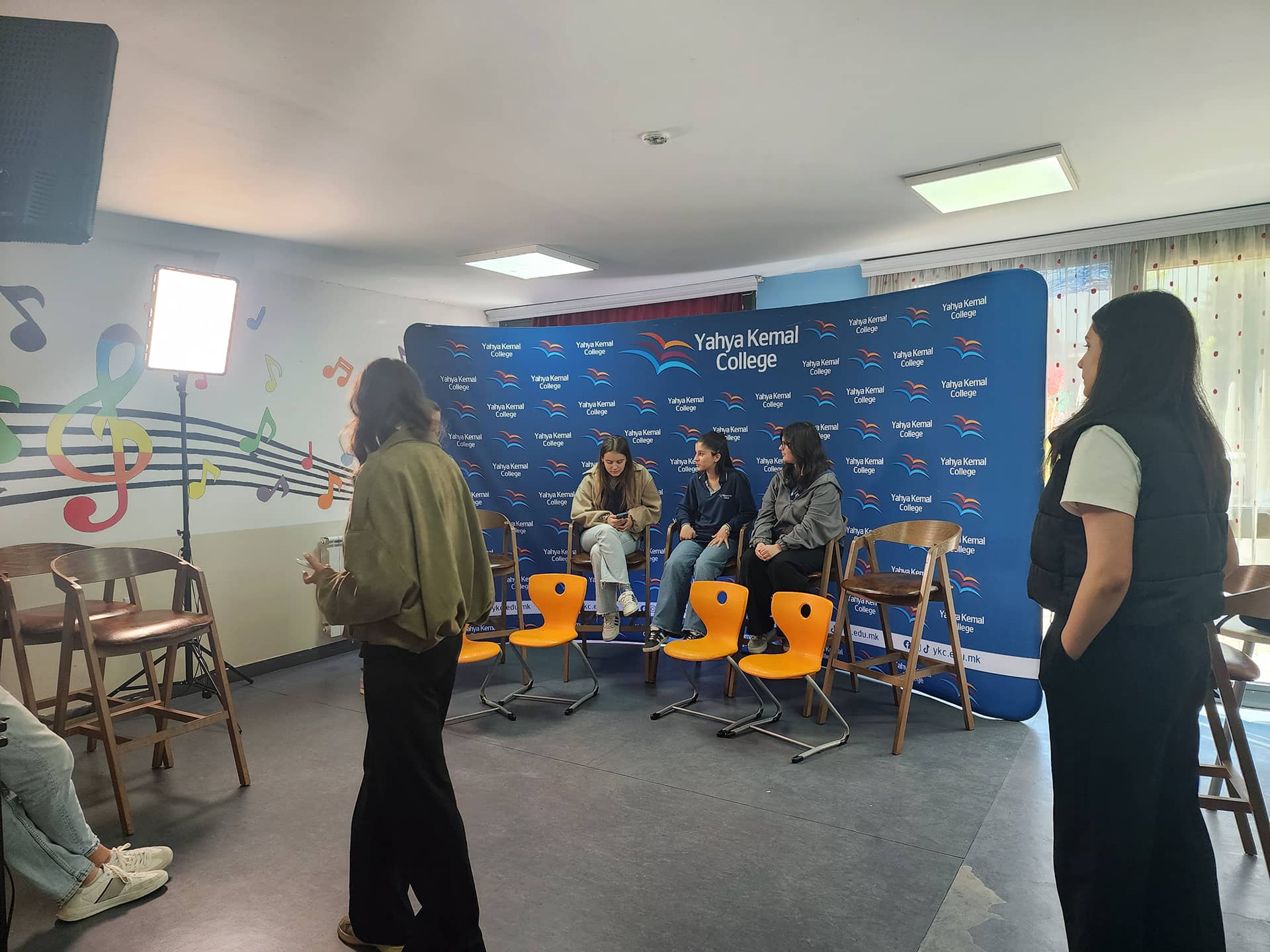
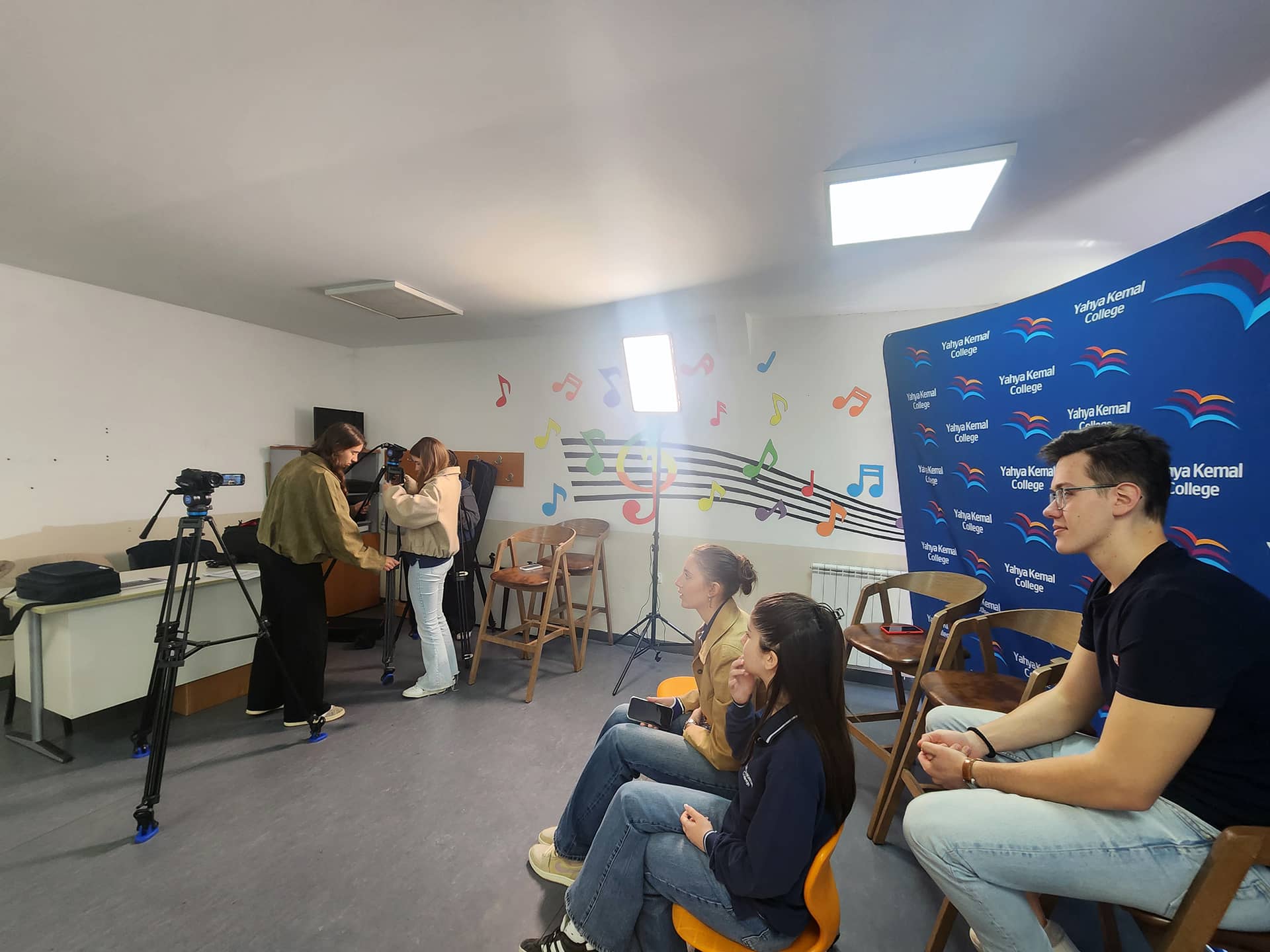
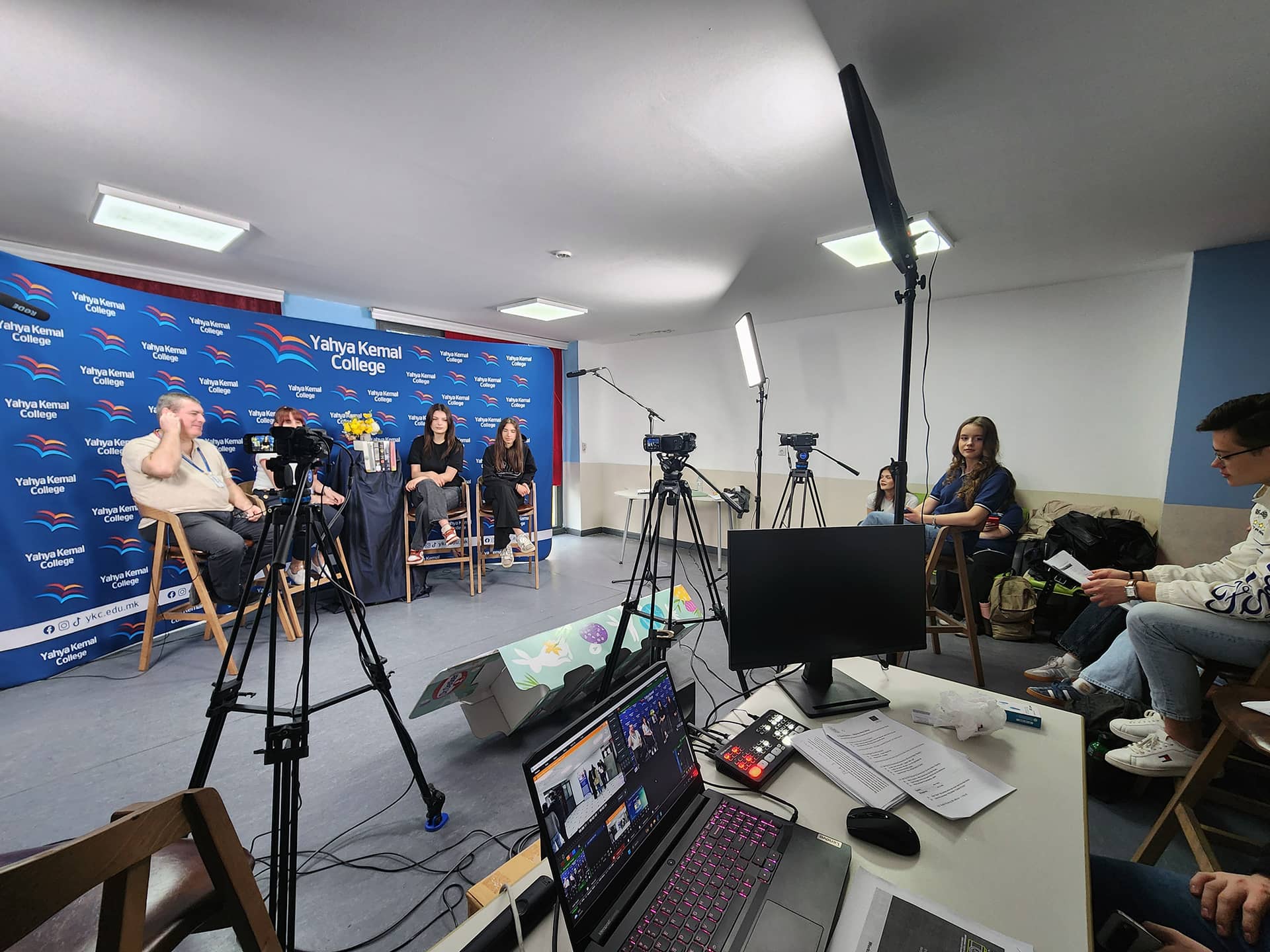
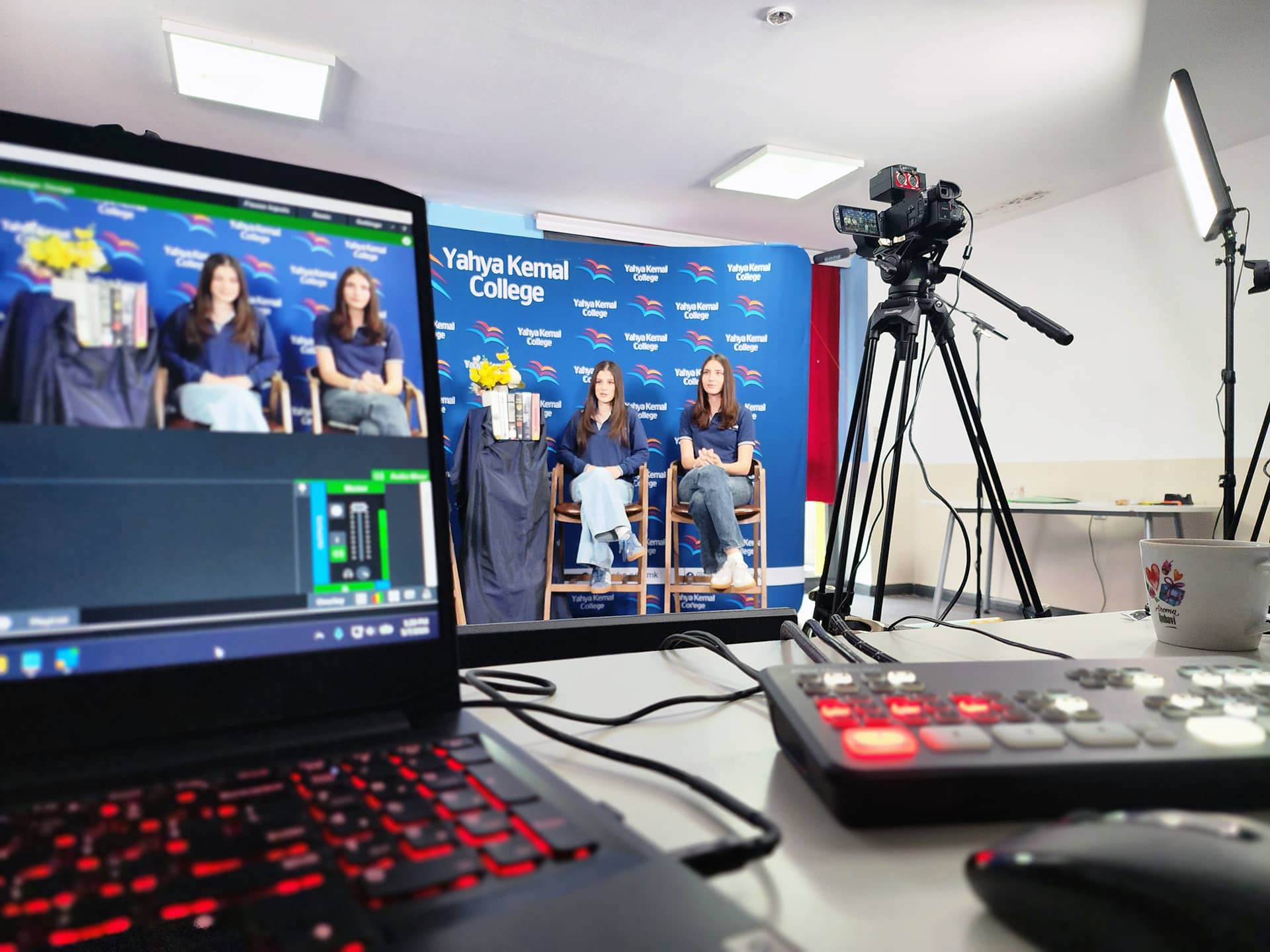
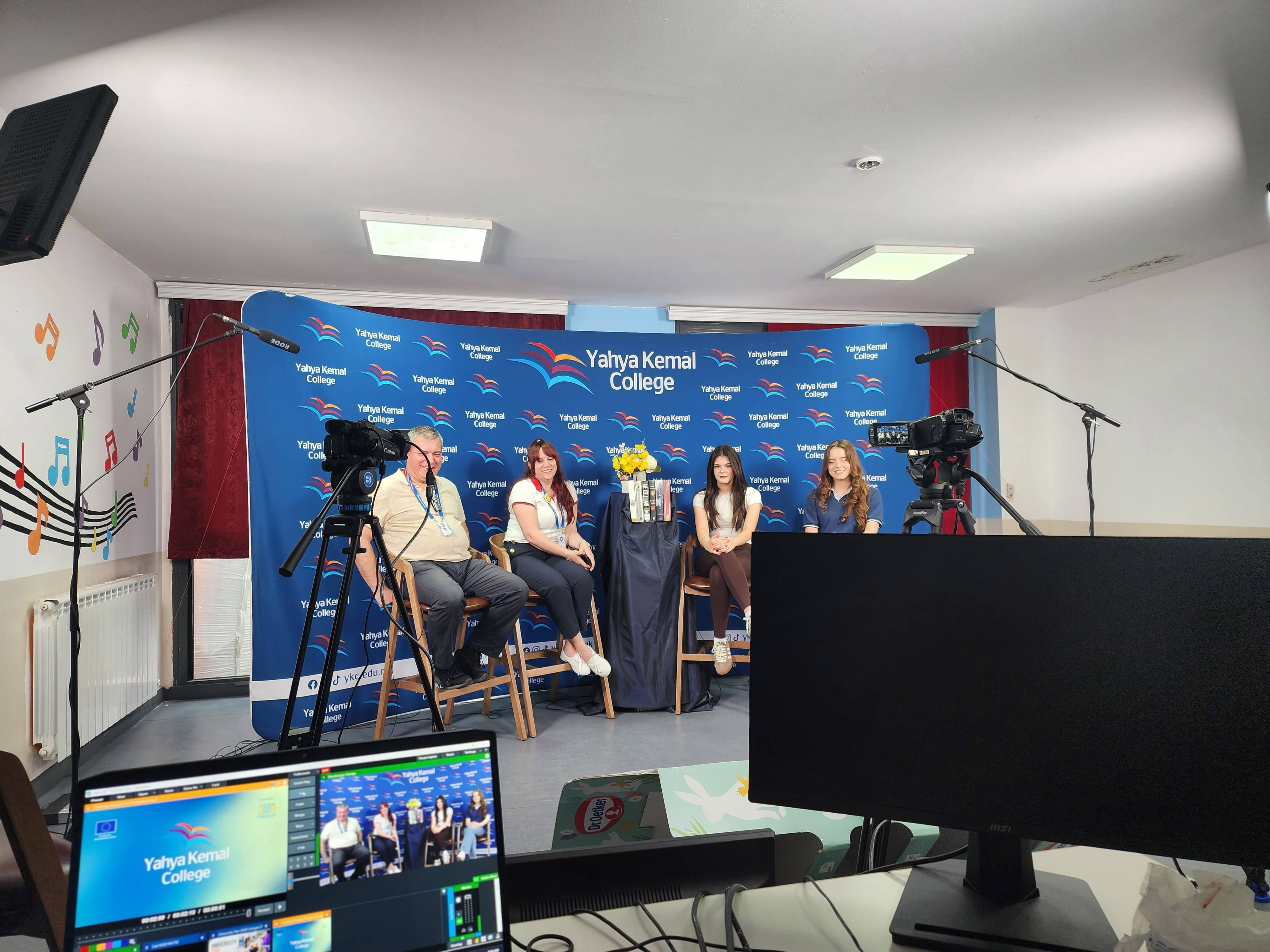
Another important part of the project was the introduction to multi-camera production and live broadcasting. Students learned how different cameras, sound sources and video feeds can be coordinated in interviews, studio productions and live events.
They also explored the use of green screen technology, virtual studio environments and streaming platforms such as YouTube. These activities gave students a broader understanding of professional media production and the teamwork required behind every broadcast.
Educational Video Courses by MoCactus
As part of the project results, Association MoCactus created two educational video courses available on YouTube.
The first course focuses on the basics of video shooting, including camera work, composition, lighting, audio recording and planning short video productions. The second course focuses on video editing with DaVinci Resolve, covering importing materials, editing techniques, transitions, effects, audio, graphics, titles, multi-camera editing and exporting the final video.
These courses were created to support students, teachers and beginners who want to improve their practical skills in video production and post-production.
A Lasting Impact on Students
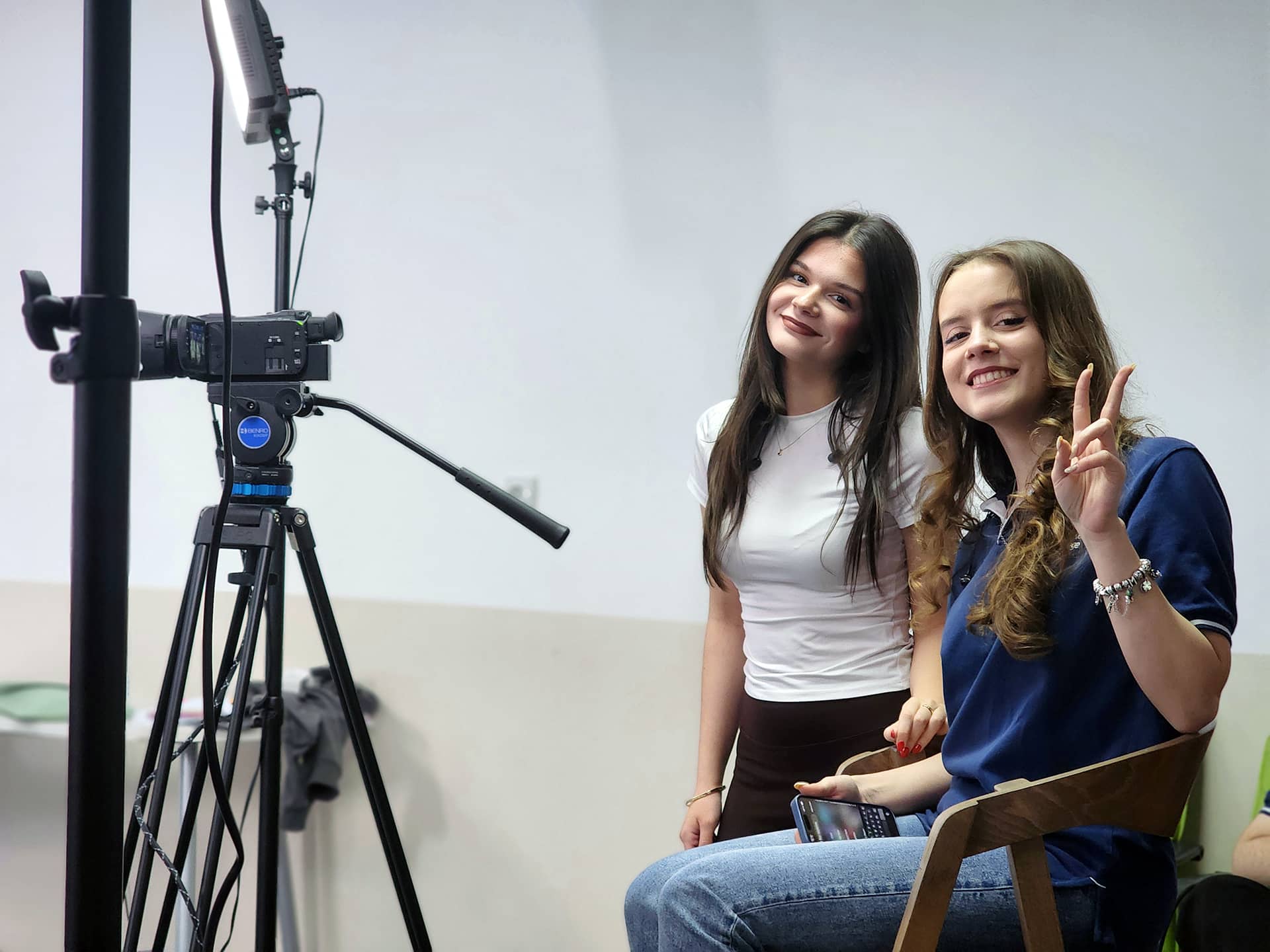
By the end of the project, students from both schools had gained practical skills and a stronger sense of confidence. They learned how to work with cameras, edit videos, cooperate in international teams and use digital tools to express ideas.
The project also helped students understand that video production is not only a technical activity. It is a way of telling stories, sharing messages and presenting school life in a creative and meaningful way.
Digital Horizons: More Than a Project
The final presentation showed that Digital Horizons was more than a series of trainings. It became a shared educational journey that connected students and teachers across borders.
Through filming, editing, interviews, school reports and live production, students discovered new talents and new ways of expressing themselves. The project strengthened their digital skills, creativity, media literacy and teamwork.
As the final Online TV Magazine Presentation demonstrated, the horizons of the participating students have truly expanded — not only in technology, but also in confidence, cooperation and vision for the future.












- Yahya Kemal Colllege is a school located in Skopje, Republic of North Macedonia, established in November 1996.
- It was established according to protocols signed between Yahya Kemal secondary schools and the Ministry of Education of the Republic of North Macedonia.
- The school is named after Yahya Kemal Beyatli, a notable Turkish writer and poet who was born in Skopje.
- The best Education, Science & Culture website award for 2020.
News & Announcements
- Digital Horizons Final Phase Concludes with Online TV Magazine Presentation 13 June 2026
- Обука за видео монтажа - ПСУ „Јахја Кемал„ Скопје - Дигитални Хоризонти 05 May 2026
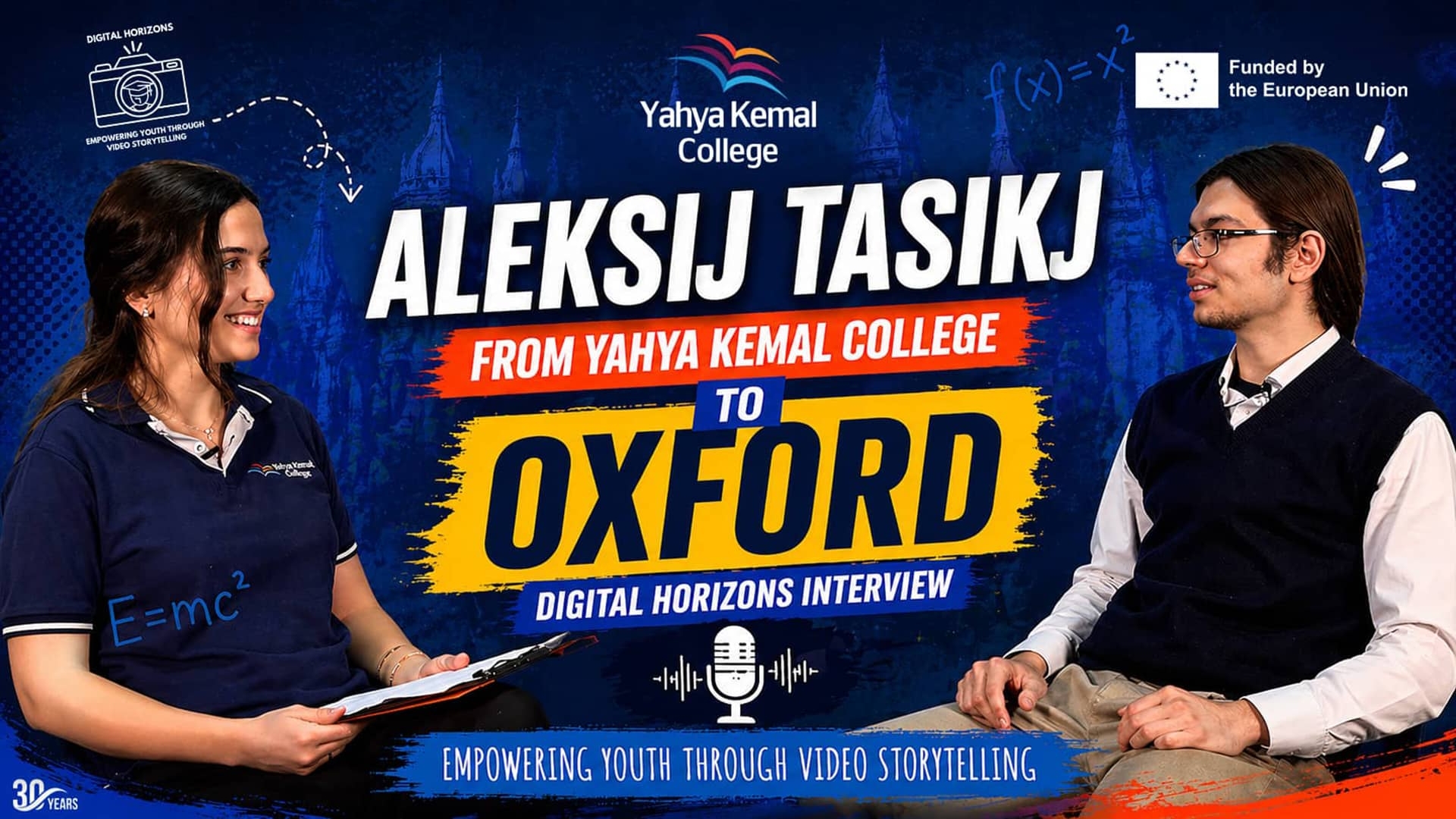
- Aleksij Tasikj - From Yahya Kemal College to Oxford – Digital Horizons Interview 04 May 2026
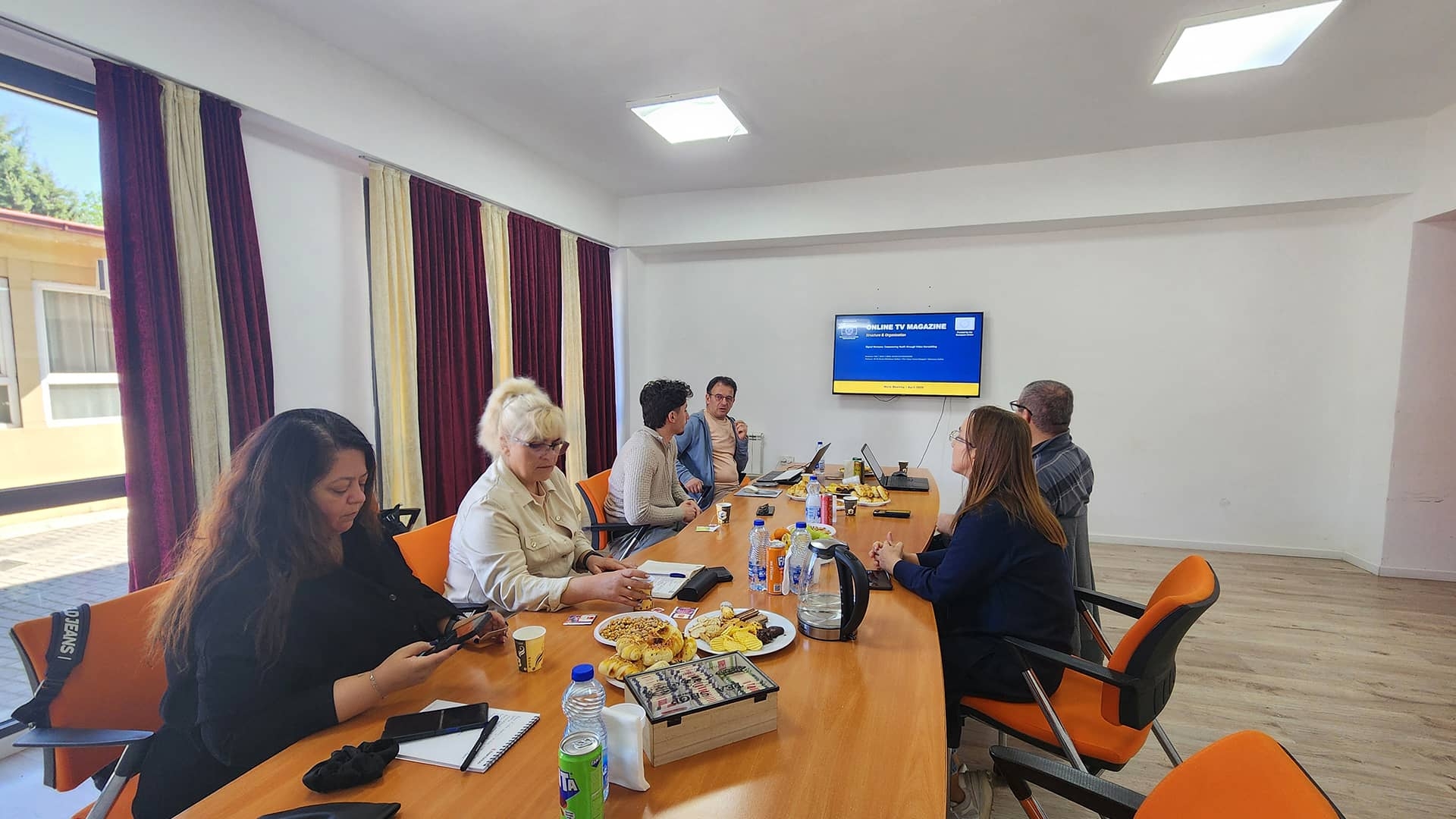
- Final Project Meeting in Skopje - Digital Horizons: Empowering Youth Through Video Storytelling 28 April 2026
- Yahya Kemal Scholarship Exam Results 2026 07 April 2026
Popular Links
Connect With Us
Contacts
Varsavska br. 23, Karpos - Skopje
+389 (0)70 373 095
Varsavska br. 23, Karpos - Skopje
+389 (0)72 229 030
+389 (0)71 346 820
FAH 106, 1200 Bogovinje - Tetovo
+389 (0)71 386 342
Mislesevski pat bb - Struga
+389 (0)71 346 817
Varsavska br. 23, Karpos - Skopje
+389 (0)71 285 010

 This website uses cookies to enhance your browsing experience.